
Purchasing a watercraft can be an exciting adventure, whether it’s a sleek speedboat, a fishing boat, or a luxurious yacht. However, such investments often require significant financial planning. This is where a watercraft loan can make the difference, offering buyers a structured way to finance their dream vessel. In this article, we will explore what a watercraft loan is, how it works, the benefits and drawbacks, and tips for securing the best financing.
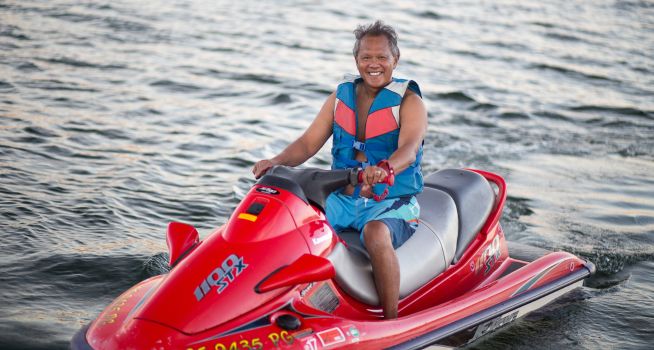
A watercraft loan is a type of secured loan specifically designed to help individuals or businesses purchase boats, yachts, jet skis, or other watercraft. Much like an auto loan, the lender provides the funds to buy the watercraft, and the buyer agrees to repay the loan in installments over time, typically with interest. The watercraft itself usually serves as collateral, which means if the borrower defaults on payments, the lender can repossess the vessel.
When considering a watercraft loan, one important factor is the loan amount. Lenders often base the approved loan on the value of the watercraft, typically financing between 80 to 100 percent of the purchase price. It is crucial to note that additional expenses, such as taxes, registration fees, and insurance, might not be covered by the watercraft loan. Borrowers should plan their budget accordingly to accommodate these costs.
Interest rates for watercraft loans vary widely depending on several factors, including the borrower’s credit score, loan term, and lender policies. Generally, a watercraft loan interest rate may range from 4 to 10 percent, with shorter loan terms often yielding lower rates. Borrowers with excellent credit profiles are more likely to secure favorable interest rates, reducing the overall cost of financing.
One of the key advantages of a watercraft loan is its ability to spread out the purchase cost, making boat ownership more accessible. Instead of paying a large sum upfront, buyers can enjoy their watercraft immediately while repaying the loan over time. This financing option also allows individuals to preserve their savings or investments, as they don’t have to deplete cash reserves to make the purchase.
However, taking out a watercraft loan also comes with potential drawbacks. Interest payments increase the total cost of the watercraft, sometimes significantly. Additionally, because the watercraft serves as collateral, failure to meet loan obligations can result in repossession, causing the borrower to lose both the boat and the money already paid. Therefore, it is essential to assess one’s financial situation and ensure steady income to cover monthly payments before committing to a watercraft loan.
When applying for a watercraft loan, prospective buyers should prepare by gathering all necessary documentation. Lenders typically require proof of income, credit history, identification, and details about the watercraft, such as the make, model, year, and purchase price. Being organized and transparent during the application process can speed up approval and demonstrate creditworthiness.
Another helpful tip when seeking a watercraft loan is to shop around for the best terms. Different lenders, including banks, credit unions, and specialized marine financing companies, may offer varying interest rates, down payment requirements, and loan terms. Comparing these options can help buyers find the most affordable and flexible loan tailored to their needs.
In some cases, buyers might consider a larger down payment to reduce the loan amount and improve loan approval chances. A substantial down payment can also lead to lower monthly payments and potentially better interest rates on a watercraft loan. While this requires more upfront cash, it can result in significant savings over the loan’s life.
Additionally, buyers should consider the loan term carefully. Watercraft loan terms typically range from 5 to 20 years, with longer terms lowering monthly payments but increasing total interest paid. Shorter terms may mean higher monthly costs but less interest overall. Choosing the right term depends on one’s budget and long-term financial goals.
Insurance is another critical aspect connected to a watercraft loan. Lenders often require comprehensive insurance coverage to protect the collateral. This includes liability, theft, and damage coverage. Prospective boat owners should factor insurance premiums into their overall budget when planning to take out a watercraft loan.
In summary, a watercraft loan provides a practical financing solution for purchasing boats and other watercraft, making ownership more attainable for many people. By understanding the terms, costs, and responsibilities involved, buyers can navigate their options wisely. Careful planning, diligent research, and a realistic budget are key to leveraging a watercraft loan effectively and enjoying the watercraft lifestyle without financial stress.
Whether you are a first-time buyer or an experienced boat owner looking to upgrade, a watercraft loan can help you set sail toward your dreams. Just remember to evaluate your financial health, compare lenders, and consider all related expenses before signing on the dotted line. This approach ensures your watercraft loan serves as a helpful tool, rather than a burden, on your journey across the waters.